

Memo #14
on a reader question, an implosion, LA, and once more asking. . .

Ah, so I wrote a post and just never posted it for some reason. Gun-shy? Last week at the Whitney Biennial opening, Whitney Mallett asked me if I’d ever post again so, feeling the warm glow of the vaguest peer recognition, I have spruced it up a bit and clicked “Schedule.”
I have not been up to much, in terms of social media appropriate activities. I’ve been in New Jersey, at school, where very little happens other than school (but school means exciting reading and lectures. Right now, I’m enjoying this Michael Löwy book on Georg Lukacs, From Romanticism to Bolshevism). I went to Los Angeles last week to see Laszlo, who was there for the project he music-directed and acted in, Diane Nguyen’s War Songs. In LA, I went to parties and saw old friends, bought books at Alias East and ate breakfast tacos, essentially retracing my old weekend lazy day pathways through the city. I miss LA a lot, and hot take, I think it might be a better place to be than New York City at the moment. As I write this, the streets of SoHo are oozing with people matchas in awkward Winter to Spring transition outfits and I basically can’t go outside for fear of being mowed down by an Alo girl rushing to God knows where. In one short trip to the grocery store I overheard a conversation about Saudi AI investments, witnessed Sunday 5pm shots and chugging of magnum Rosé (Have you guys ever walked by that place Felix in SoHo? What is happening there? Is it a hotspot for people who can’t get into Cipriani/Socialista or something?), and saw 100!!! Trader Joes’ canvas bags (jk).
But actually, LA felt kind of good. And I saw some shows that were good. The overall stand out–run don’t walk–was Lizzie Fitch and Ryan Trecartin at Moran/Moran. I didn’t know what to make of the Monuments show at MOCA/The Brick. The Kara Walker sculpture–whether or not you like it or find it to be politically effective–is obviously, like, the culmination of a certain problematic of 21st century sculpture and releases us from whatever we were dealing with for the last 25 years between art, politics, and the formal manifestations of each (Thank you, Kara!). The MOCA portion of the venture was less convincing to me and I agree with the 75% of people I’ve spoken to who think that it should have just been the monuments, no proper artworks. Which is a harder sell as a show, of course. Overall, I wish that the exhibition had happened three years ago, maybe even more. The issue of slavery’s legacy, and the particular set of American problems that crystallize around it feel muted now, with so much else going on. But maybe the show feels like closure, for the moment.
Upon arriving back in New York, I “saw” the Whitney Biennial, but did not “see” it, so I have nothing to say other than there were too many people there! More on that another day, once I truly see it.
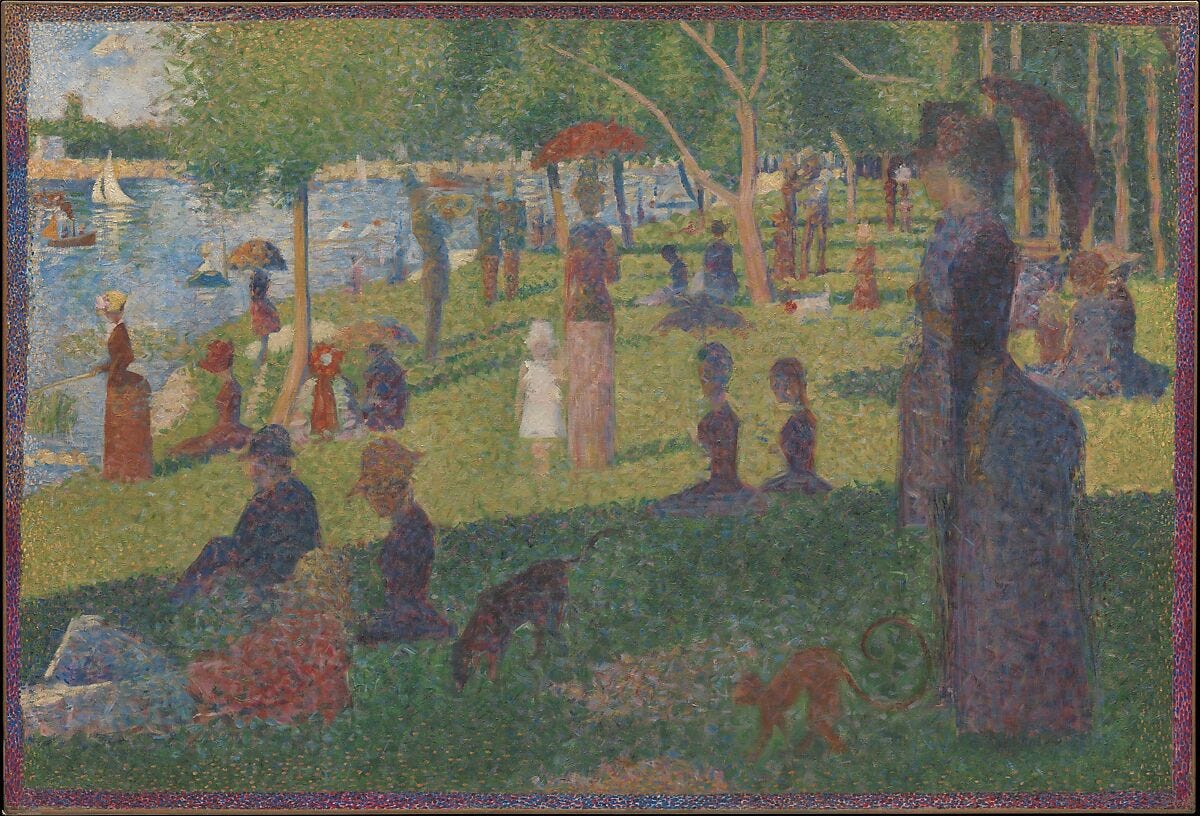
A Poist Cotus1 reader asks whether I called that 15 Orient Dustin Hodges show “a nice painting show” sincerely or if there “was some irony there.” The latter! I am famously not really *into* painting, but there are paintings that I think are good and paintings that I think are not good. And I actually like to write about painting, maybe because I don’t partake, so I might be better, more “objective” when it comes to painting. Right now, in all seriousness, painting seems like fertile ground to me, being so totally ran through. As a medium it is itself cliche and rife with truisms. It also might be because I’m studying art history now. Laszlo and I went to The Met on Valentines Day and I completely unironically stopped in front of Seurat’s Study for "A Sunday on La Grande Jatte"and called it “radical,” and proceeded to inspect the painting’s border. The border really is something and the little dots can’t be captured adequately in reproductions. My soul lies somewhere beyond the pastures of Uncdom.
Anyway, I decided to answer this reader’s question publicly here. And so we proceed:
Dear Reader,
Let me start by saying that I would put a Dustin Hodges painting in my house. When I started to respond to this, I had it in my head that I would not be eager to do this for the same reasons that I would not be eager to put a bunch of African masks, Thai block prints, or a big 19th century Chinese armoire in my living room. But that’s not true, I kind of love those things. My mom decorated our house with stuff like that. And anyway, I am not to African masks, Thai block prints, or Chinese Armoires as Dustin Hodges is to “the crows” . That phrasing sounds weird, but everyone knows what I mean.
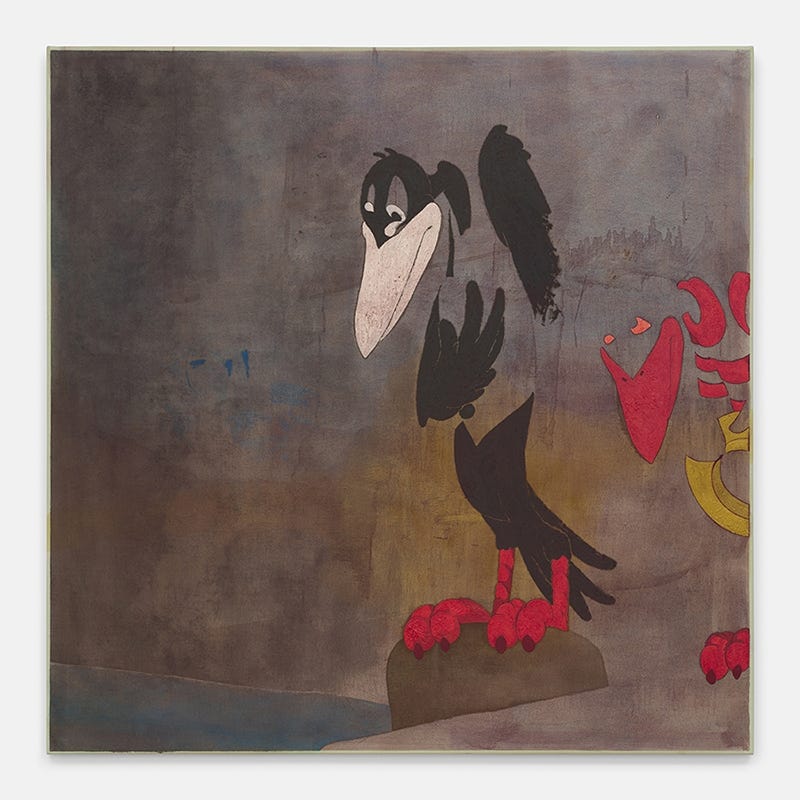
I think when I wrote about this before I stressed that I don’t think there is a problem of appropriation to worry about with these works. That remains the case. The issue, or what might make them bad painting is their either 1) dumb pop sensibility or 2) cheap provocation.
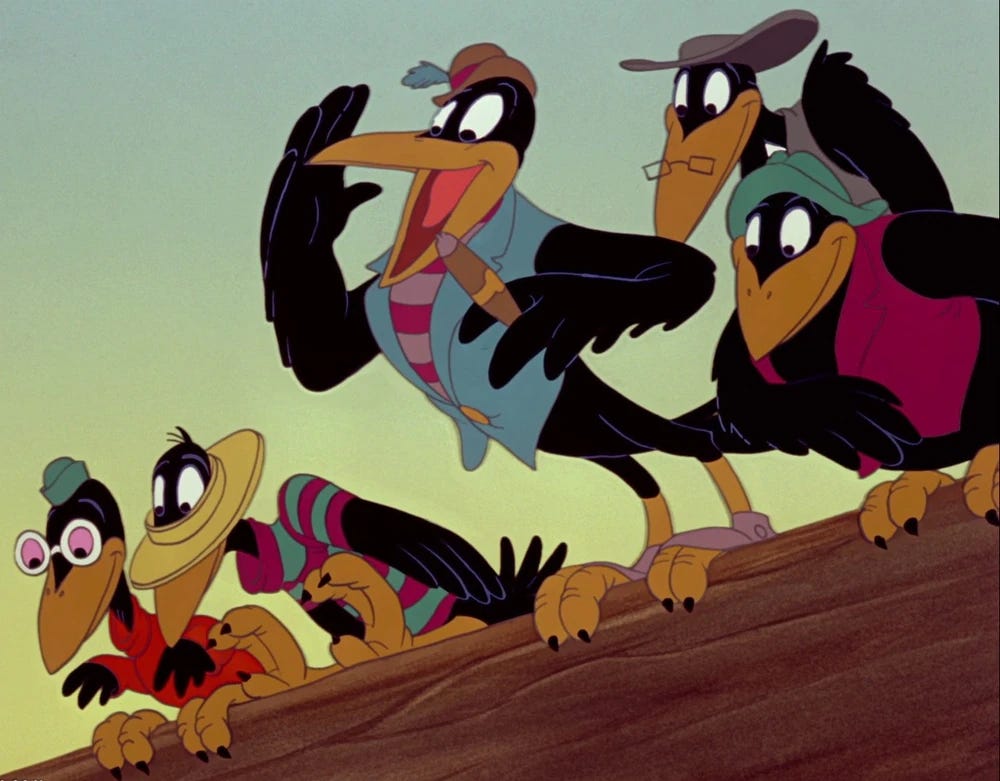
In the case of the former, I see them as rehashing the move of using of pop cultural characters within a larger composition for the sake of vague recognition. It seems important to this version of Pop that the characters are not A-list Disney characters, not to lend them alterity and make the paintings interesting by latching onto their marginal position in the Disney-verse, but in order to support the painting as an idea. Through their relative lack of specificity, the painting appears to speak the language of pop but also look heady and conceptual–assisted by the evil poison palette, to borrow a term from artist Thom Blair. This dumb Pop–and by dumb I mean the opposite of not-intellectual, I mean willfully dumb, maybe materialist. Dumb like using things as dumb material, trash–distances itself from the Americanness and 20th centuryness of the actual source of its material, because bearing any obvious relation to it would make it quotidian. This dumb pop art is like American pop bounced to Cologne and bounced back, like an undergraduate who goes to Berlin to study abroad, having learned about the real true replica sneakers. Having something that actually is not a brand, but that everyone knows the final form of, i.e. Margiela replicas. Unbranded or something. But by going through all this trouble, it kind of just lands at Americankunst.
I am including a Cosima von Bonin work here because, duh, she traces a similar groove in the opposite direction. Also at issue in all of this is a preoccupation with figure/ground relationships. Also, I just love these so it’s a nice image to include. (Side note: I pulled the image from the MUDAM site, and the press release concluded with the following line: “All are deft metaphors for life in society.” I found this to be absolutely ridiculous. How can you metaphorize the entirety of social life? Like, one metaphor for all of society is inherently the opposite of deft, having gathered so much into itself? Whatever.)

The second reading, 2) is that Hodges wittingly incorporates these racialized cartoon characters in order to provoke an audience. This move could consist of a few different forms of cynicism, or better yet–and more generously and historically-framed-different orientations associated with a sort of mid to late 2010s political-aesthetic spectrum. They are the following:
A) We could read it as that aforementioned alterity-baiting, an attempt to generate an analogy between the marginal role of the characters and the marginalization of Black people in the real world. I am not sure what the point of this would be because Janiva Ellis already achieves something along these lines, and I wouldn’t want to try to beat her at her own game. Ellis’s paintings don’t seem to draw a one-to-one relationship between the characters and racialized presence; she generates her own sort-of generic character-figure. In my view, they are characters insofar as they mimic the illustration style and flatness of animated characters; and they are figures in that they exhibit enough relationship to zoomorphic, anthropomorphic form to deserve the label.
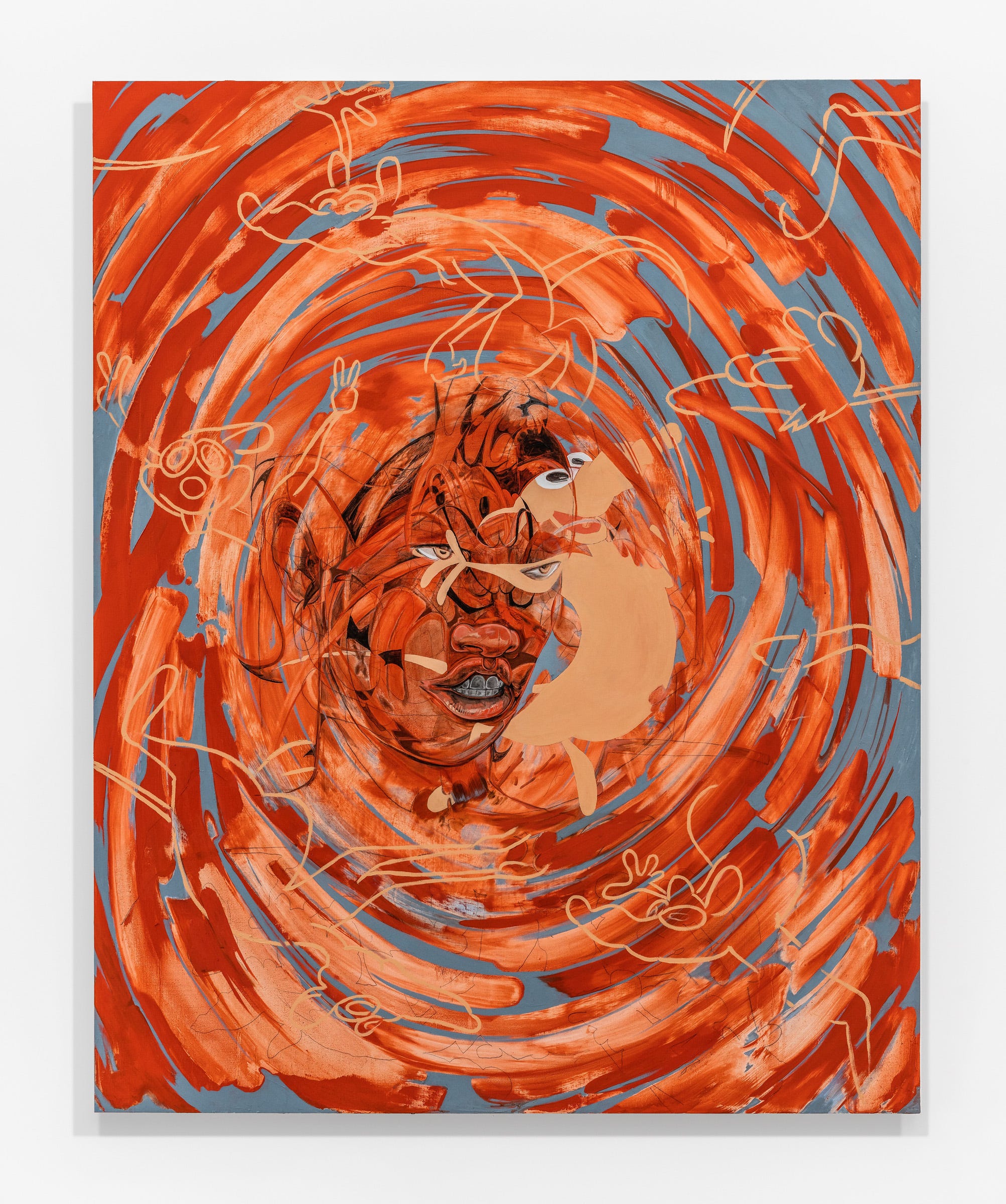
Actually, revisiting Ellis’ paintings when I was finishing this up, the resemblance to any cartoon characters is less than my mental image suggests, and the resemblance between Hodges and Ellis’ work is less intense as well. No need for a quip like, “we have Janiva Ellis at home.” But still, they bear enough resemblance to make the comparison, and morphology should not be the only basis for putting the two together. In addition to the cartoonish presences, both painters situate these figures in weird negotiations with the relationship between figure and ground. Sometimes they’re fading, sometimes kind of gone (like above), sometimes sitting on top of a background. So Hodges could be, God knows why, trying to do something like this? Maybe it’s all just contemporary figuration hooha, but I like to think it might be possible to subdivide these practices with greater specificity! To this end, and in a digression–who is, like, the “Muva” of painting like this?
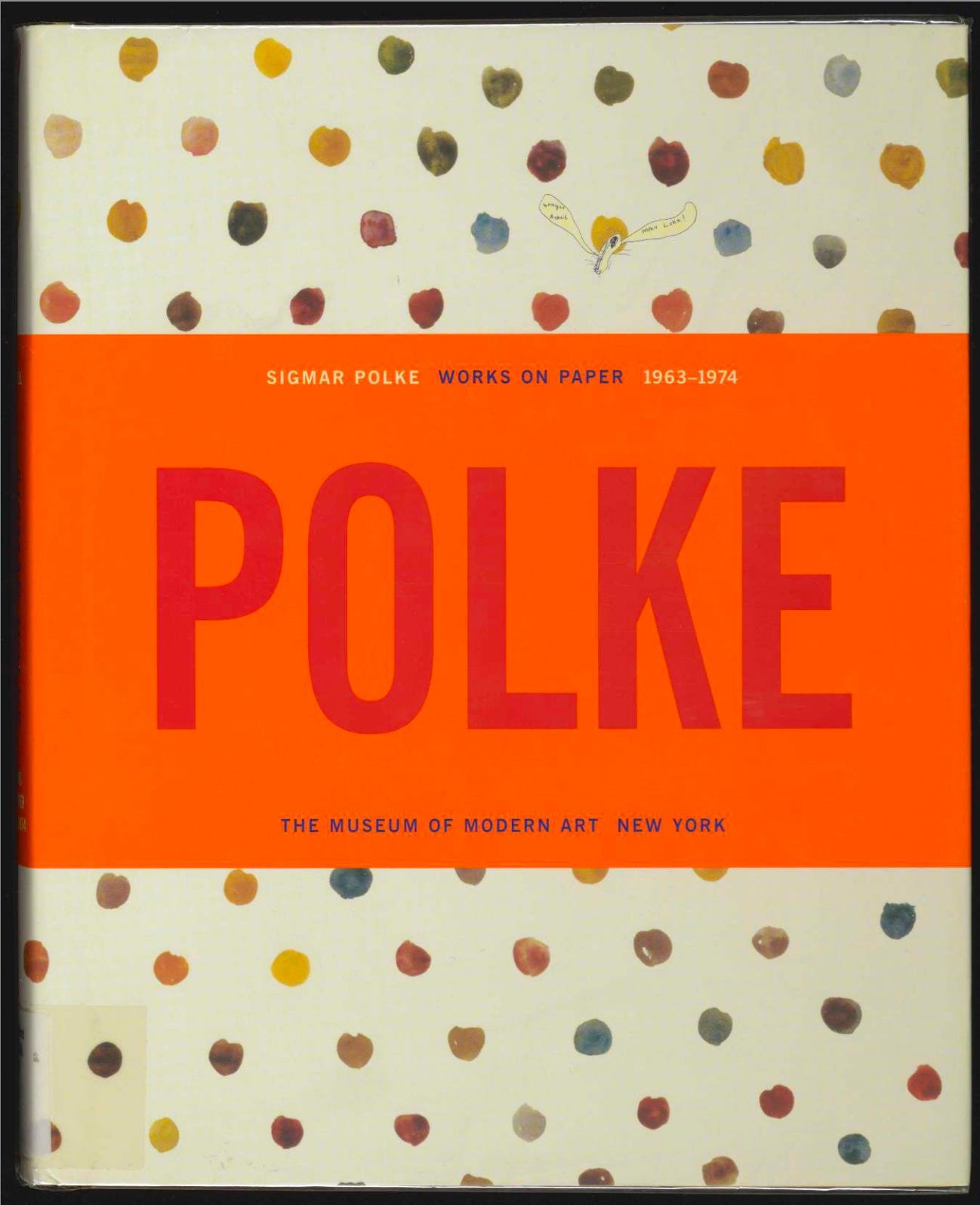
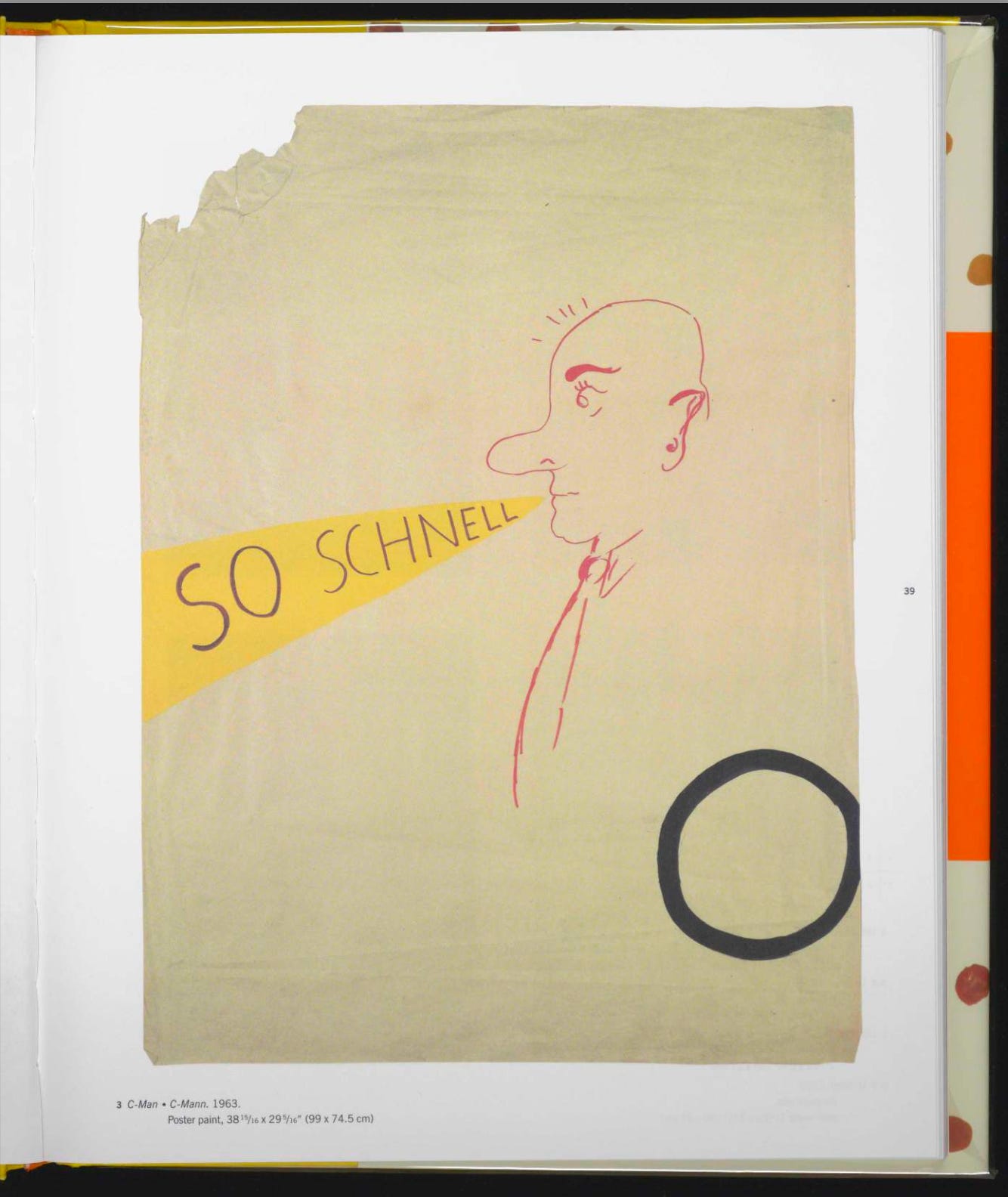
It’s not Sigmar Polke, but as I was thinking about this and poking around online, I came across this sweet 1999 MoMA catalog for a Polke show (Sigmar Polke: works on paper 1963-1974). My one and only hobby is screenshotting random pages from digitized exhibition catalogs deep in the recesses of MoMA’s website. This show also happens to be from a period when museums’s made awkward microsites for exhibitions. Cute!
Way off course. Will spare you. ANYWAY:
B) Okay, potentially: Similar operation, but let’s posit that Hodges is influenced by Ellis directly? But just is into the cartoon thing because it looks cool? This is not a wholly invalid raison d’etre, but it puts a lot of pressure on the paintings formally, and we end up back at totally being willing to put it on your wall, or not. That is to say, the question becomes whether Hodges is an interesting PAINTER-not artist, but painter. And forget Ellis, we’re not here to compare them top to bottom. We come back to the reader’s question: Just thinking about Hodges as a painter, what gives?
Unfortunately, in trying to think about these paintings as just paintings, I find them, like our dear reader, deeply and numbingly dull! And in finding them to be so, my attention is drawn back to the characters scattered across them, almost as if . . . I’m supposed to get caught up in it. Almost as though these paintings are known to be dull and someone found a clever insurance loophole, stationing a facile conceptual riddle on their surfaces so that I won’t turn away just yet. And actually, formally, this nearly becomes interesting; the characters aren’t melting or decomposing into the painting, they are very much cut up and out; like a children’s picture book with flaps that hide another image, or have a window and then you can pull something and see more of the scene. I can sort of sense there is a version of these where the characters are really just not supposed to matter, just operating as material for patterning and shapes on the canvas. I’m okay with that, but maybe, and I’m so surprised by this, maybe I think artists shouldn’t just use and defamiliarize whatever old google image refuse they can remember to save to their desktop? I’m guilty of it too, but I have to admit it no longer feels or reads like a conceptual gesture. To anchor this point–this open question really–David Joselit’s “Painting Beside Itself,” is a useful touchstone here, which I was reading for another purpose, but happens to fit here. . . In it, he calls Jutta Koether’s Hot Rod (After Poussin) “transitive painting,” writing that “what defines transitive painting, of which Koether represents only one “mood,” is its capacity to hold in suspension the passages internal to a canvas, and those external to it.” He says that in this sort of painting, the “ diachronic axis of painting-as-medium is joined to a second synchronic kind of passage which moves out from painting-as-cultural artifact to the social networks surrounding it.”2 Hot Rod is a totally different kind of painting–though Hodges’ painting, and 15 Orient as a whole are definitely Post-Reena–but it seems that this “transitivity” could be either the goal or the inadvertent condition of the crow works. Anyway, also makes me want to revisit the whole Sternberg book Painting beyond Itself, which is currently at my old apartment, so I cannot consult. Long story.
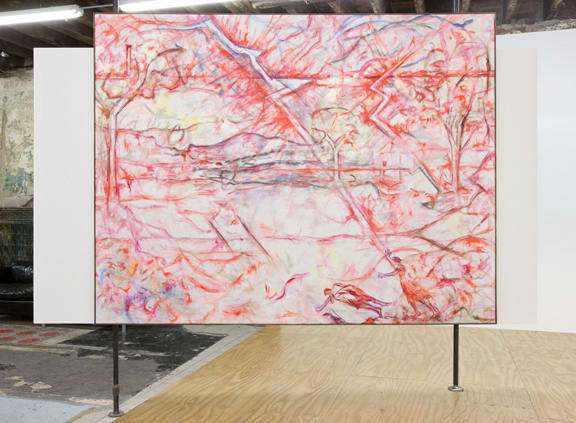
Okay, finally: C) the most logical answer to me-Hodges uses these characters in all their retro-racialized presence very knowingly, with the hope of frustrating a post-2020 American art audience steeped in appropriation discourse, as if to say what’s mine is yours. The permanence of the rendering of these characters was something I was surprisingly attuned to when I saw the show; like “oh no, whatever your reasons were for painting that, no take backs!”
This third disposition, (C) which I am most inclined to believe is at work here might aim to lift from Hamishi Farah’s playbook, where the content of the painting as property has been made front and center. Joe Bucciero ended his recent October essay on Neue Sachlichkeit with a great and surprising turn to Farah’s work (alongside Malouf lol!), where he writes that Farah’s method “figures a typical but contested personage, a situated subject of history, and an intervention into contemporaneous historical thinking.”3 To add to this, in my opinion, Farah’s paintings work when they do because they render objects and people already in play. Hodges painting dredges up an image that is neither currently at issue nor is it functioning allegory for anything relevant to our time or place. And therein lies the central problem of this third Hodges: This imaginary concerned and offended viewer doesn’t seem to exist anymore; if they do they don’t go to 15 Orient.
Of course, we all know that it’s not really important what motivates artworks. What matters is THE ENCOUNTER! And this is why I say, as my final word, they are nice :)
I think Hodges has a show of this same body of work in Los Angeles at Sebastian Gladstone, which I didn’t make it to when I was there, but wish I could see it.
Send me more messages with questions and I will try to answer them!
Wait, also I forgot D) which is that he could be completely unaware of any of this, and just saw the crows and thought they looked cool and no one said anything about the racism until it was too late and it didn’t seem like that big of a deal and the plan was to just sell the paintings and hope for the best because everyone’s trying to keep the lights on and worked hard and whatever they look cool!!! Which, to be fair, they do. Look cool, I mean.
Here are some other thoughts:
What is happening at The New Centre for Research and Practice right now? A few weeks (months?) ago, when Sean Tatol published his anti-Marxism-in-criticism essay on Triple Ampersand, a few friends sent it around like “what is going on ?????” I only took note because the same week an artist friend posted a story about Maxwell Graham gallery being “Marxism-themed,” and together these instances made me wonder whether Mamdani Period aesthetics are going to turn out to be vehemently anti-Marxist due to some weird need amongst art people to always seem more avant-garde (more more more!!!) than their more gainfully-employed neue-cool counterparts. And now that sewer socialism is the mainstream, it’s time to purge the artworks of Marxists as a new politics of cool??? Anyway, I soon gave up on that line of questioning, largely because Tatol’s piece was sort of hard to understand; he argues for a phenomenological approach to art, I guess? Seems weird considering some of the 20th century’s most important phenomenologists counted themselves as Marxists, at least for some portion of their lives. Anyway, I started keeping a little more track of what Triple Ampersand was up to, and over the last few weeks have watched the organization seemingly implode. I’m way up in the nosebleeds, being basically not at all connected to them, but what is going on???? Jason Mohaghegh and others seemingly stepped away over something related to internal politics related to Iran? But then I also saw something about labor abuses? The organization has been and is still posting all of this Iran-focused content, so it seems like something internal division or something coming from their followers. On their instagram there are a lot of nasty comments about their position on Iran. Then last week it seems like New Centre and Triple Ampersand rebranded as separate entities or semi-seperate? No real comment here other than oh no!! (Also, separately re: the Tatol text, I don’t know who is doing this “Marxist citationalism” thing he’s writing against. I guess the person he spends most of the essay criticizing? But this problem just sounds like bad writing, and more the product of self-ascribed Marxist theory people who aren’t really art critics writing about art because the culture industry is the only territory that a dying left has to illustrate its concepts due to the fact that proper politics appear to be so fucked? This problem is not that different from how annoying it is when creative writing and general media types start to get asked to write about art but really have no stake in the matter other than to use it to boost the scene or aesthetic they are invested in. But, whateva.) Does anyone know more about what’s happening over there!! Am I imagining all of this? My blog is just me asking readers for info.
And while I’m at it: No one answered my inquiry about why people aren’t wearing coats this winter. I am convinced that it’s a tactic aimed at seeming like you live around the corner (seen in Soho, the West Village, LES. But in Brooklyn people are wearing coats, because why would you be trying to broadcast that you live on whatever corner you happen to be standing on briefly between engagements in Brooklyn?) Adding to this line of inquiry that I have observed three verbal altercations between gaggles of transplant-types and motorists with heavy New York/New Jersey accents this month. I wish there were a way to get some real numbers on how many people have arrived here in the last two years from the Midwest (and how long they plan to stay). And honestly I’m more interested in the men than the women–West Village girls we get it whatever whatever–who are these guys and what do they want? They are always asking for recommendations also? Like interrupting your conversation to be like “Would you recommend this bar???” “Do you know a good spot to hang out nearby?” What’s going on with this radically polarized way of interacting with the city? Either attempting total insider or total noob? (Ed: Note: Unfortunately, since writing this the whole JFK Jr.-wannabe thing has emerged as a new problem, and I’ve given up entirely.)
I don’t have anything to say about shopping and fashion, really. The only thing I’ve bought other than boatneck 3/4 sleeve shirts from American Apparel (I’ve long been aware that boatnecks are the best neckline for Aria, and I’m thrilled to be able to wander down to Los Angeles Apparel whenever I am bored and buy one for $30. You can never have too many.) is the J. Crew x Eckhaus Latta sweater. I wore it to appear in a small box during a Zoom lecture.
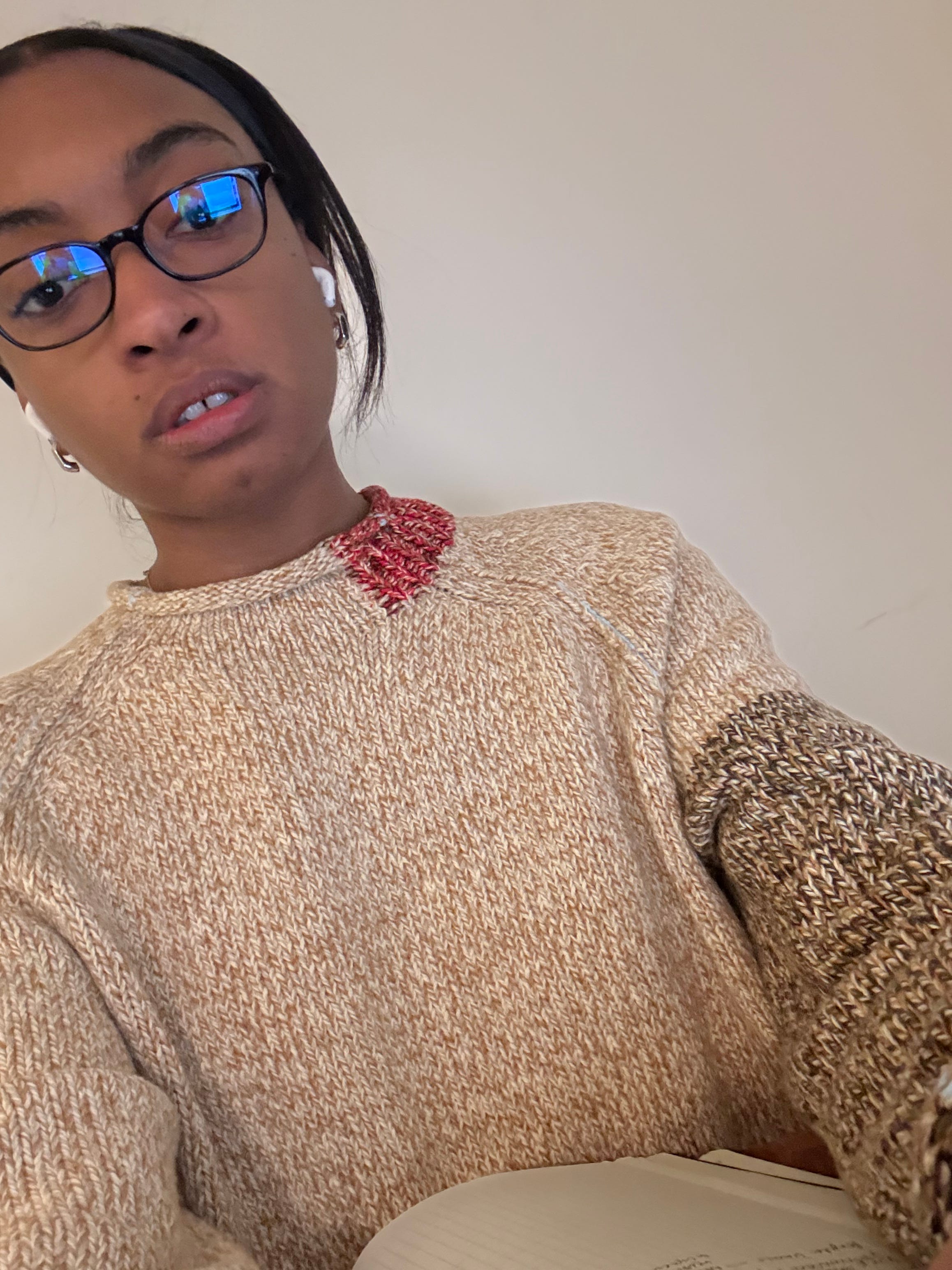
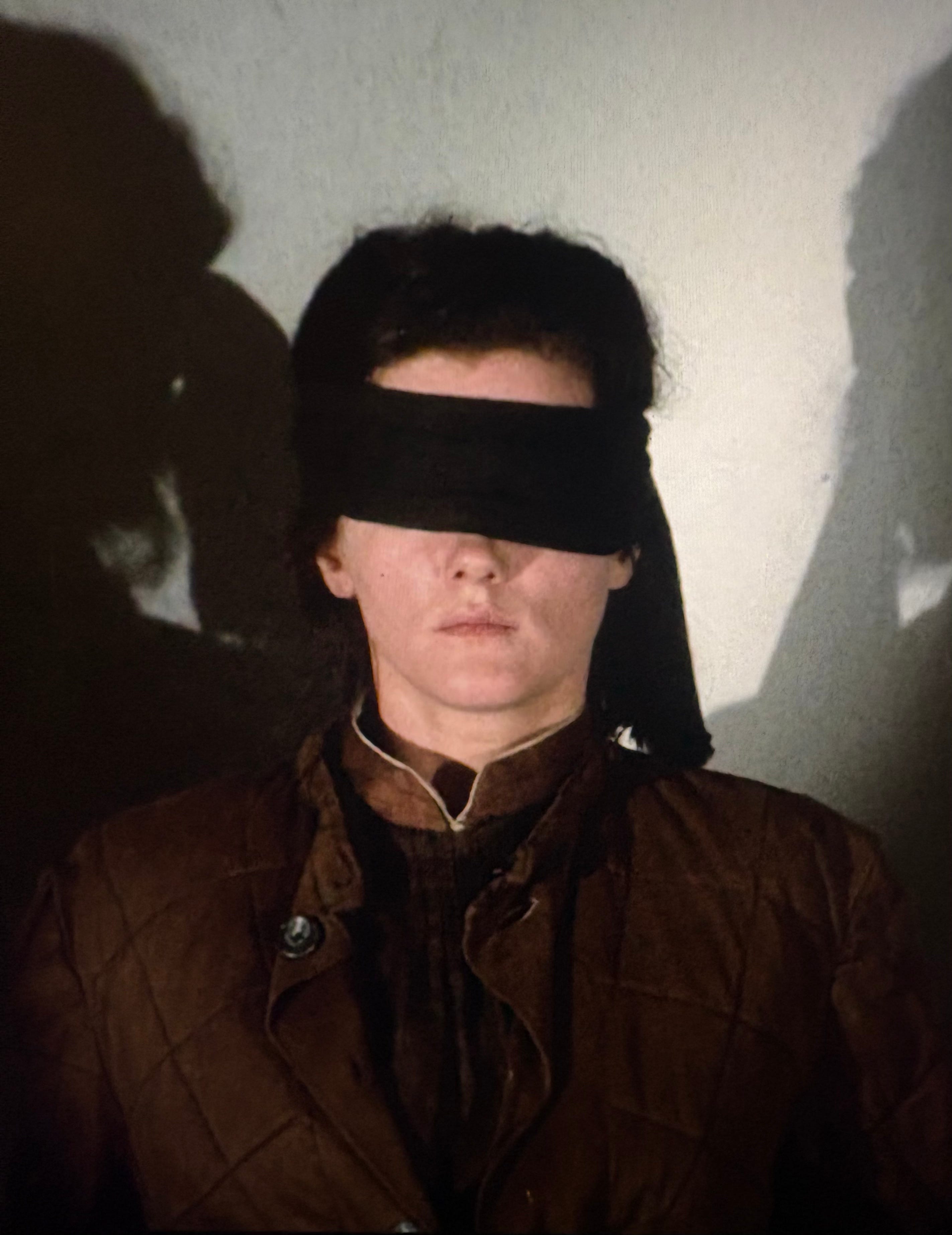
But honestly, everything Fashion seems so celebrity and influencer driven right now (So many suggested posts featuring the cast of I Love L.A. at Paris Fashion Week in designer outfits that look like Zara….And Cosima von Bonin doing Loewe is cool but also seems to prove that fashion has completely territorialized art.) I am confused and bummed on all of this, but mostly just because there is nothing fun and cool to look at. My desire is not being stoked :( The only recent exceptional fashion experiences I can speak of are film viewings. Three of note: Visconti’s Conversation Piece, a 1980s Rosa Luxemburg biopic, and Gold Diggers of 1933.
I especially love all of the women’s’ costumes in Rosa Luxemburg. The blouses and that trim, columnesque turn of the century silhouette. I was reminded of this early Isabel Marant black wool skirt that I have buried somewhere. Always have trouble styling it but I usually find some occasion once a winter. Not this winter!!! No long wool skirts on the Princeton Junction platform for me. And now it’s Spring. Maybe?
Gold Diggers of 1933 is full of amazing looks. Kind of Kiko somehow?
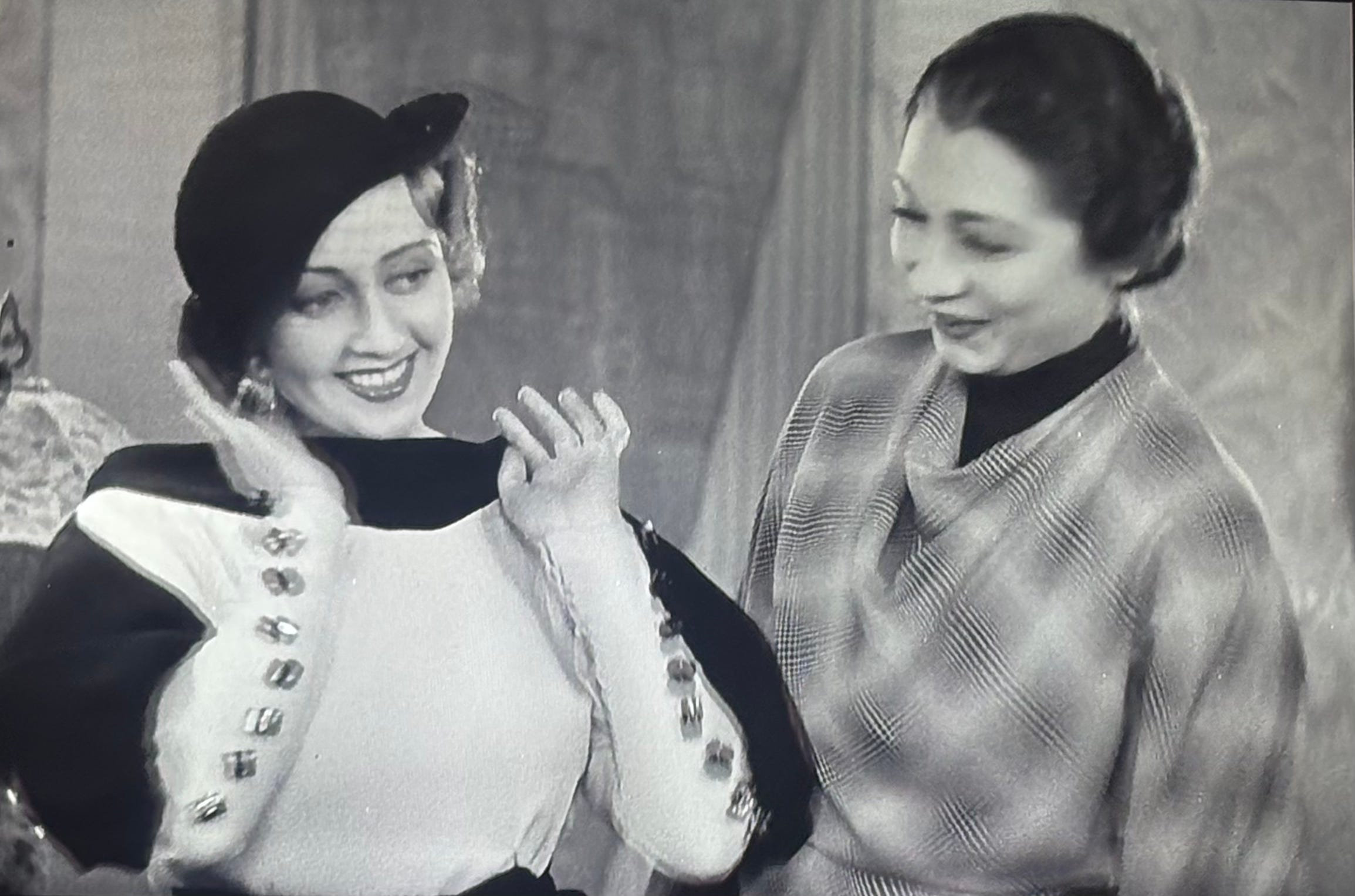
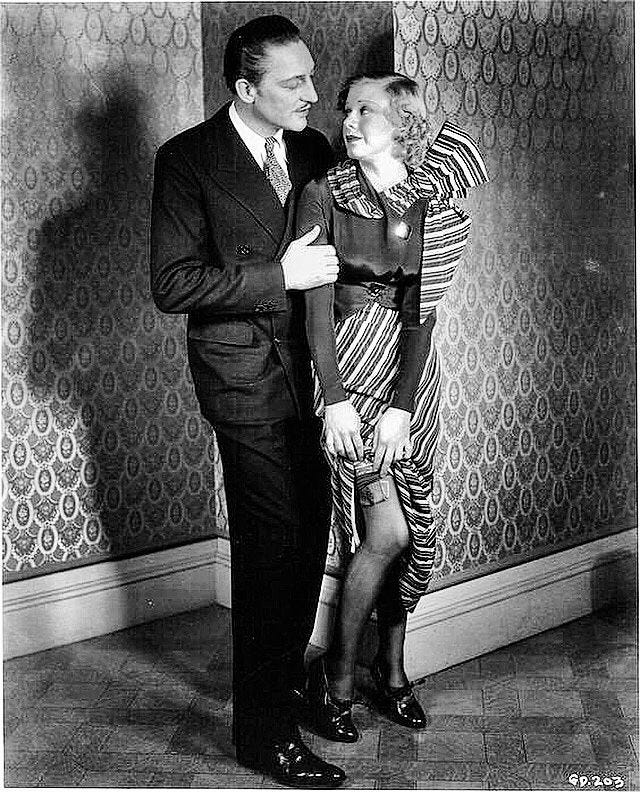


That’s ^ just stuff I want. Uhhh. Speaking of Kiko, I’ve been looking at this bag. It seems like it could be my school/work/bustling bag solution. I’ve come to kind of hate the Le Sportsac backpack/tote I got this Fall, just because it is still a backpack in the end. I’ve been mulling over the Gabriella Coll hoof bag for years now, and I’m wondering if should just follow that instinct, finally.
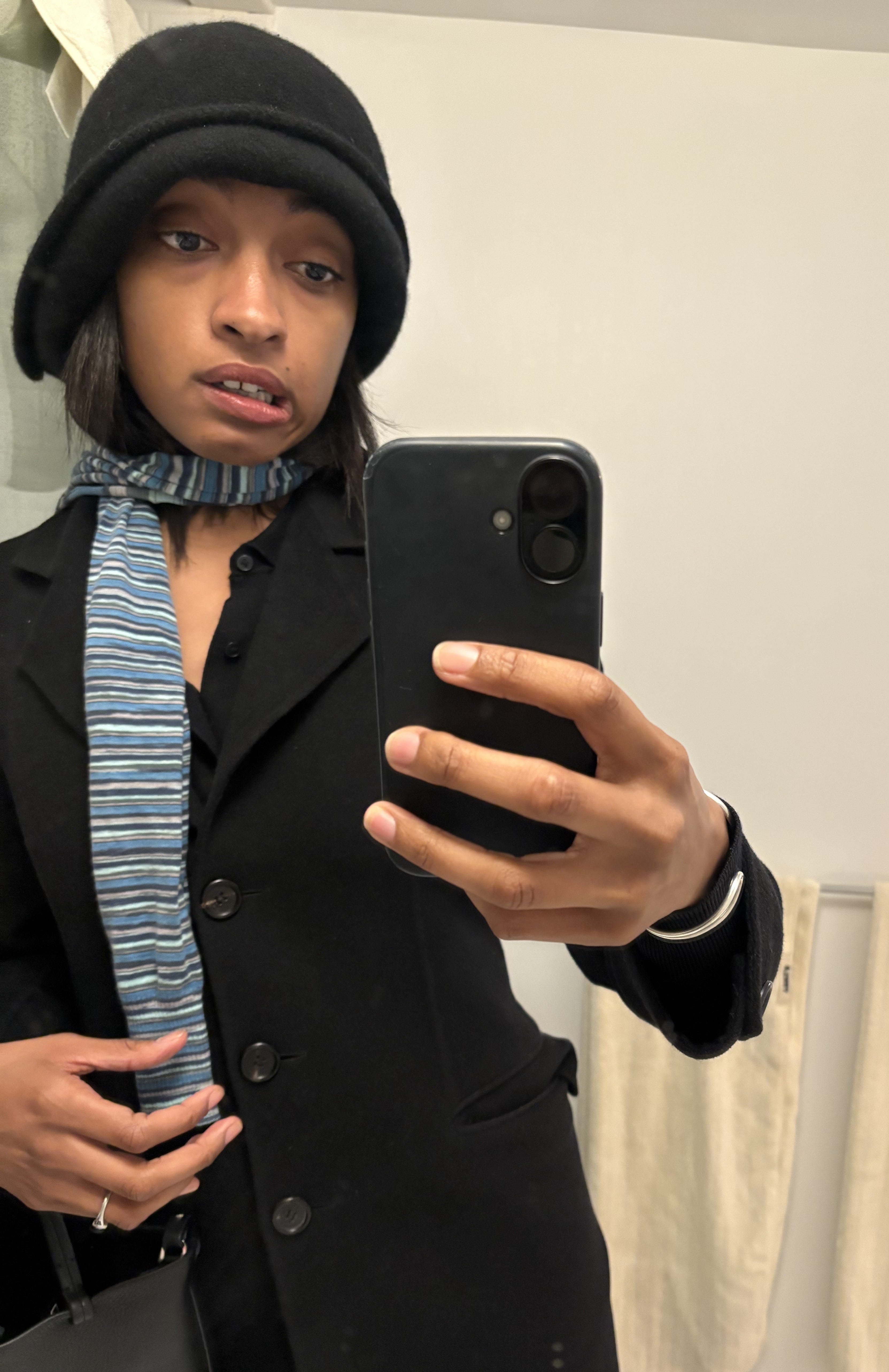
Maybe this Spring is Ziegfeld Girl Spring. I have been wearing my Ilana Blumberg hat in a cloche-y way (see below). Everyone boring is still wearing things crazy wide, everyone trying to be cool is rushing toward skinny, but maybe a trim column or a little bit of flare somewhere is the move.
Final bits, newsletter style:
I went on Ben Davis’ Art Angle podcast
‘Black Bataille’ was translated into French, in Palais Des Tokyo’s Echo Delay Reverb catalog.
This talk I gave with Courtney J. Martin over the summer in Aspen is online now.
I’m in a group show at Galerie Eva Presenhuber at the end of the month with Sandra Mujinga and Tschabalala Self.
x
(Why doesn’t anyone ever ask me why I chose this name???)
David Joselit, “Painting Beside Itself,” October 130, Fall 2009
Joe Bucciero, “Point of No Return: Die Neue Sachlichkeit at 100,” October 194, Fall 2025